To the casual observer, a historic building is simply an “old” one. But in the world of professional conservation and high-end renovation, the distinction between a building that is merely aged and one that is truly historic is a complex blend of law, artistry, and social narrative.
In the UK, our landscape is a living museum. However, defining what earns a structure the mantle of “historic” requires looking beyond the date stone on the porch. Under the 2026 heritage frameworks, we categorise these structures through three distinct lenses: Architectural Interest, Historic Association, and Structural Integrity.
The Architecture: A Snapshot of Innovation.
The first way we define a historic building is through its physical “language.” A building is historically significant if it represents a pinnacle of design or a “first” in engineering.
- Technological Milestones: A building might be historic because it was the first in its region to use structural cast iron, or perhaps it features a unique medieval “cruck-frame” construction that has survived five centuries.
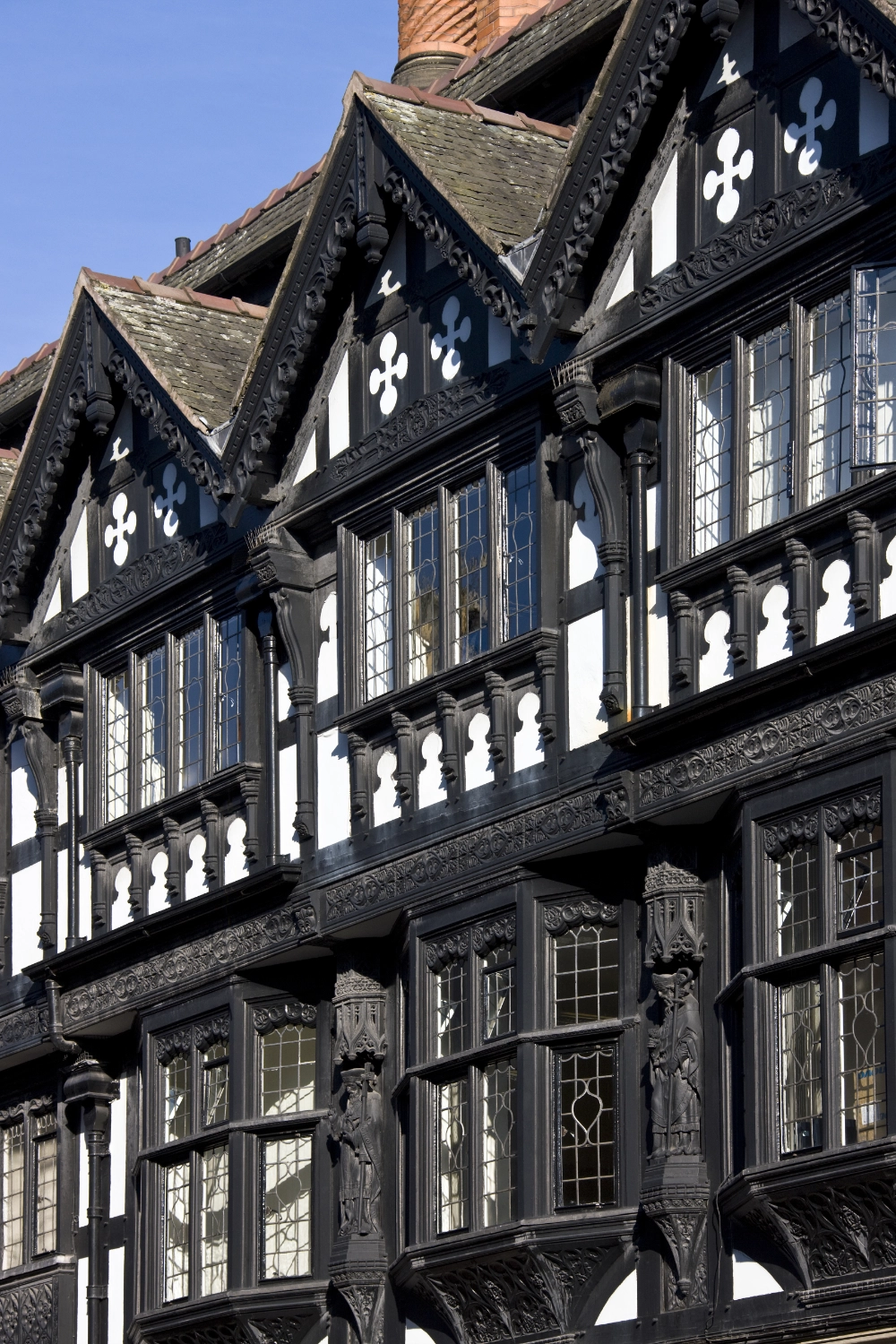
- Aesthetic Mastery: We look for craftsmanship that is no longer standard. Hand-carved stone mullions, lime-plaster pargeting, or bespoke leadwork aren’t just decorative; they are the fingerprints of artisans from a bygone era.
- The “Age Rule”: In the UK, age plays a massive role. Almost any building that survives in its original form from before 1700 is considered historic. Between 1700 and 1850, most buildings are recognised, provided they haven’t been “stripped” of their character.
The Human Story: Historic Association.
Sometimes, a building’s significance has nothing to do with its bricks and everything to do with the people who lived within them. A modest, unassuming Georgian townhouse can be more “historic” than a grand manor if it was the site of a scientific discovery, the home of a transformative political figure, or the birthplace of a cultural movement.
This is what we call Social Value. These buildings serve as the physical anchor for our collective memory. They tell the story of how we used to work (like the textile mills of the North), how we used to govern (civic town halls), and how we evolved as a society.
Integrity: The Survival of Original Fabric.
A building can be 400 years old, but if it was “gutted” in the 1970s and replaced with modern materials, it may have lost the very thing that defined it as historic.
Integrity refers to how much of the “original fabric” remains. To be defined as historic, a building must retain its:
- Plan Form: The original layout of the rooms.
- Material Palette: The use of local stone, timber, or handmade brick.
- Fixtures: Original fireplaces, windows, and even floorboards.
At Morgan & Smith, we often say that a historic building is a “document” written in stone and wood. If you replace too many pages, the story is lost.
The Concept of ‘Group Value’.
It is also important to remember that a building doesn’t have to be a masterpiece to be historic. Often, a building is defined by its Group Value. A single weaver’s cottage might be simple, but a row of ten cottages creates a “historic streetscape” that defines the identity of an entire village. These buildings are the supporting cast that makes a historic area feel authentic.
The 2026 Perspective: Historic Buildings as Living Spaces.
The modern definition of a historic building is shifting. We no longer view these structures as dusty museums that must remain frozen in time. Instead, we see them as sustainable assets.
A historic building is defined by its longevity. These structures were built to last centuries, often using breathable, natural materials that are far more eco-friendly than modern synthetics. The challenge today is not just defining what is historic, but defining how we can sympathetically upgrade these buildings—incorporating modern comfort without erasing the history that made them special in the first place.
Summary: More Than Just Four Walls.
What defines a historic building? It is a structure that offers a “connection to the continuum.” It is a building that has survived the fashions of the centuries and continues to offer value, beauty, and a sense of place to the community.
Whether it is a Grade II listed farmhouse or a mid-century modernist villa, a historic building is an irreplaceable part of our cultural landscape. Protecting that definition is why we do what we do.
Expert Leadership: Meet Our Director.
Director | Ryan Morgan-Carter
Building a new home is one of the biggest investments you’ll ever make. That’s why our Director, Ryan Morgan-Carter, personally oversees every new home construction project.
With over 20 years of experience in complex builds and historic renovations, Ryan ensures your project stays on schedule, on budget, and up to our uncompromising standards.