Heritage Building Restoration That Respects the Past.
Welcome to Morgan & Smith’s Historic Building Renovation service, where we specialise in restoring heritage properties across Kent. Through expert heritage building restoration, we preserve each building’s architectural character while carefully adapting it for modern living.
Historic Building Renovation Specialists.
If you’re planning work on a listed building, Historic England offers helpful guidance for property owners. At Morgan and Smith we specialise in renovating listed and historic properties, ensuring every project is completed with care, craftsmanship and respect for the building’s character
Why Choose Morgan & Smith?
Expertise in Heritage Restoration
Our team has extensive experience in restoring listed buildings, preserving their unique character and charm. We meticulously research the history of each building to inform our restoration practices, ensuring authenticity and historical accuracy in every detail.
Integration of Modern Amenities
While maintaining historical significance, we seamlessly incorporate modern amenities to enhance the functionality and comfort of your property. Our approach ensures that you enjoy the conveniences of contemporary living without compromising the building’s heritage.
Meticulous Preservation Services
Preservation is at the heart of our renovation projects. We use specialised techniques and materials to maintain the original features of your historic property, from intricate woodwork to period-appropriate fixtures, guaranteeing longevity and aesthetic appeal.
Architectural Integrity
We are committed to preserving the architectural essence of your property. Our team respects the original design while making thoughtful enhancements that honour the past and embrace the future.
Architectural Integrity
We are committed to preserving the architectural essence of your property. Our team respects the original design while making thoughtful enhancements that honour the past and embrace the future.
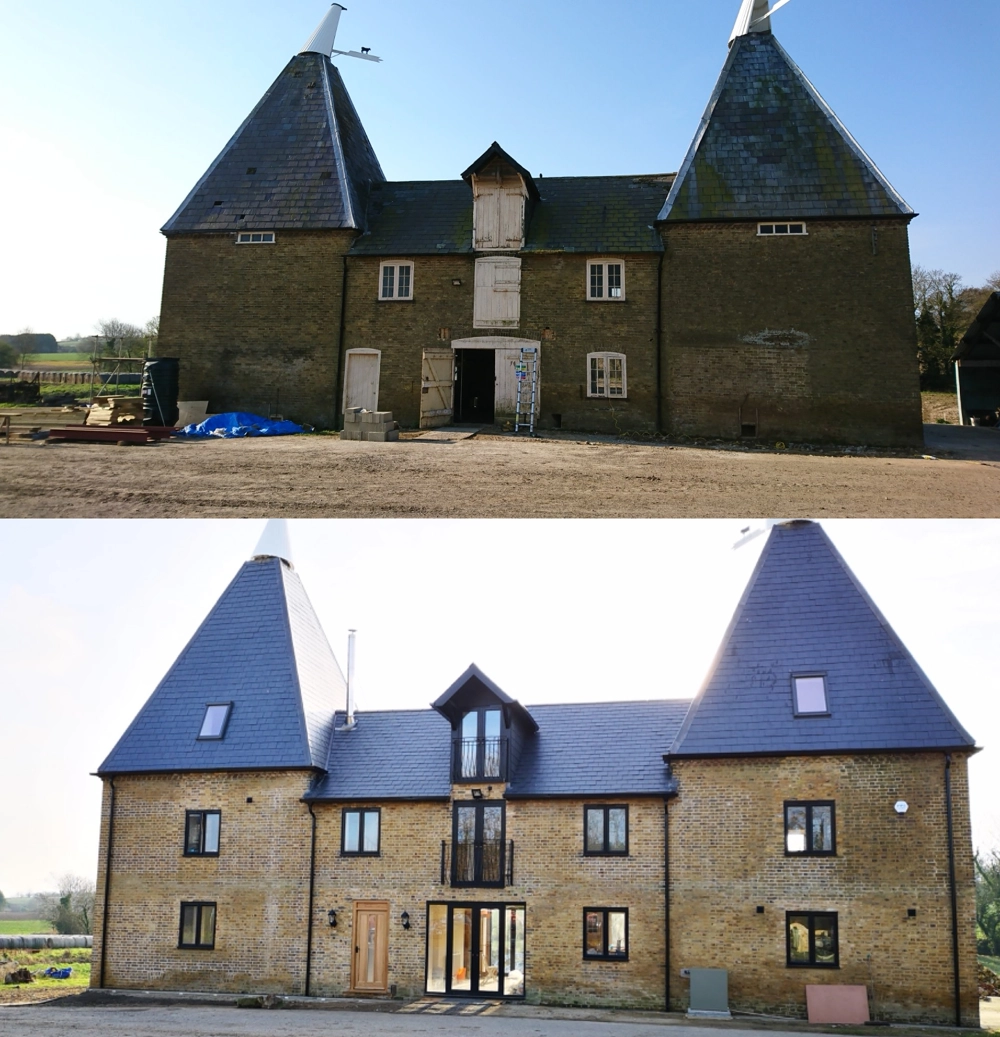
Listed building renovation in canterbury.
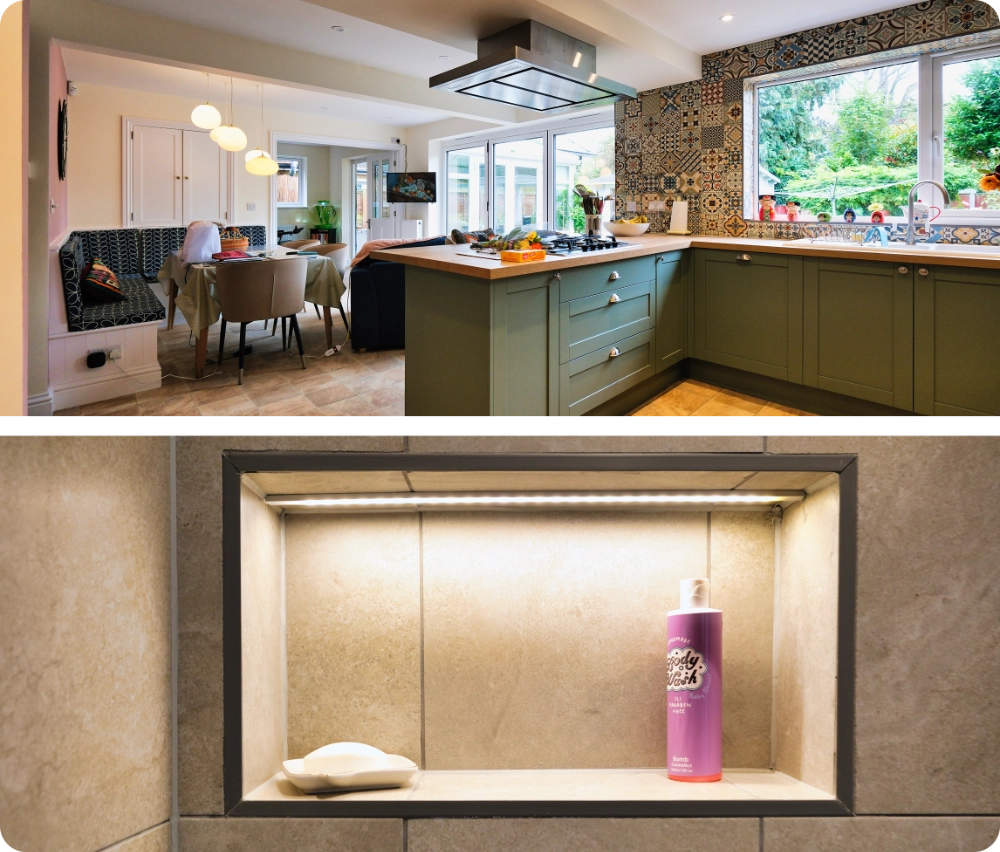
Restoring a period property shouldn’t mean living in the past. At Morgan & Smith, we specialise in the delicate balance of preserving original architectural features—from lath and plaster to intricate stonework—while discreetly integrating high-performance insulation, heating, and smart technology. We ensure your building remains a piece of history, but feels like a 21st-century home.
Your Historic Building Restoration Process.

The Initial Consultation & Discovery
Every great restoration begins with a conversation. We’ll meet you on-site to walk through the building, discuss your vision, and identify the unique quirks of the structure. We look beyond the surface to understand the building’s era, materials, and potential constraints, ensuring our initial advice is as accurate as possible.

Pre-Construction & Heritage Planning
This is where the “heavy lifting” happens behind the scenes. We assist with—or coordinate—the necessary Listed Building Consents and Building Regulations approvals. Our team works closely with architects and structural engineers to finalize a detailed scope of works, selecting period-accurate materials and traditional techniques that satisfy conservation officers.

Sensitive Restoration & Construction
Once we break ground, our master craftsmen take over. Whether it’s carefully repointing with lime mortar, restoring original timber frames, or discreetly updating internal systems, we work with surgical precision. You’ll receive regular site updates and transparent communication throughout the build, so you’re always in the loop.

The Handover & Heritage Legacy
Our job isn’t done until the final detail is perfect. We conduct a thorough walkthrough to ensure every finish meets our exacting standards. We don’t just hand over the keys; we provide you with a “Project Care Pack” detailing the materials used and how to maintain your historic home for generations to come.
Restoring Heritage with a Personal Approach.
Director | Ryan Morgan-Carter
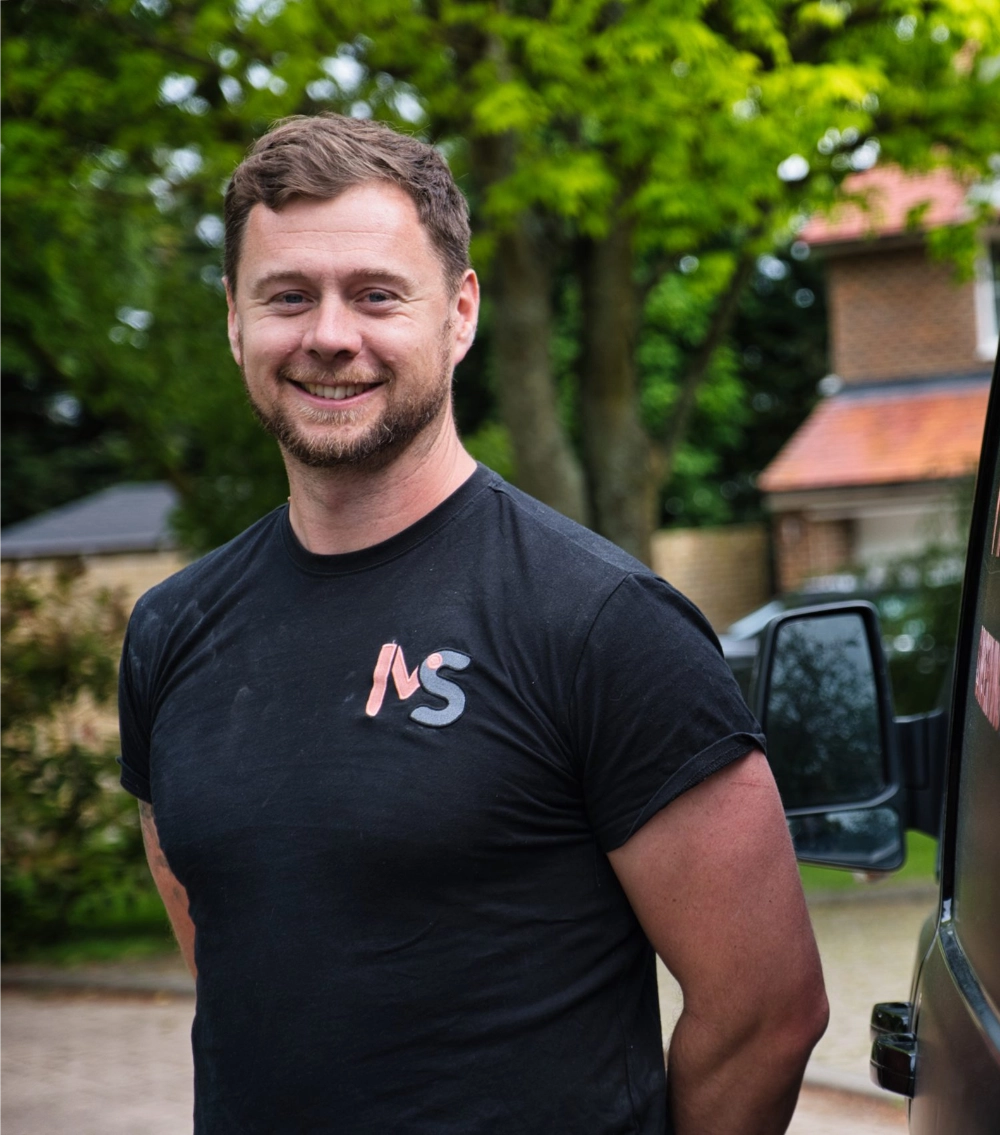
Restoring a heritage property requires more than just construction – it requires a deep respect for the past. Our Director, Ryan, personally oversees our historical renovation service to ensure that every structural intervention is sympathetic to the building’s original character.
By maintaining direct communication with heritage officers and sourcing period-correct materials, he ensures that our service preserves the soul of your property while making it fit for the future. Under his guidance, Morgan & Smith treats every historic home as a legacy to be protected.
The Benefits of Working with Heritage Specialists.

Sensitive Project Handling
Historic renovations require a careful, informed approach. Our specialists are trained to handle the unique challenges of heritage properties, ensuring sensitive treatment and adherence to regulatory standards.

Enhanced
Property Value
A well-executed historic renovation not only preserves a building’s legacy but also enhances its market value. Our expert restoration services can transform your property into a coveted historical gem with timeless appeal.

Comprehensive Project Management
From initial consultation to project completion, we provide comprehensive management services that include planning, execution, and post-renovation care. Our streamlined process ensures efficiency and client satisfaction at every stage.
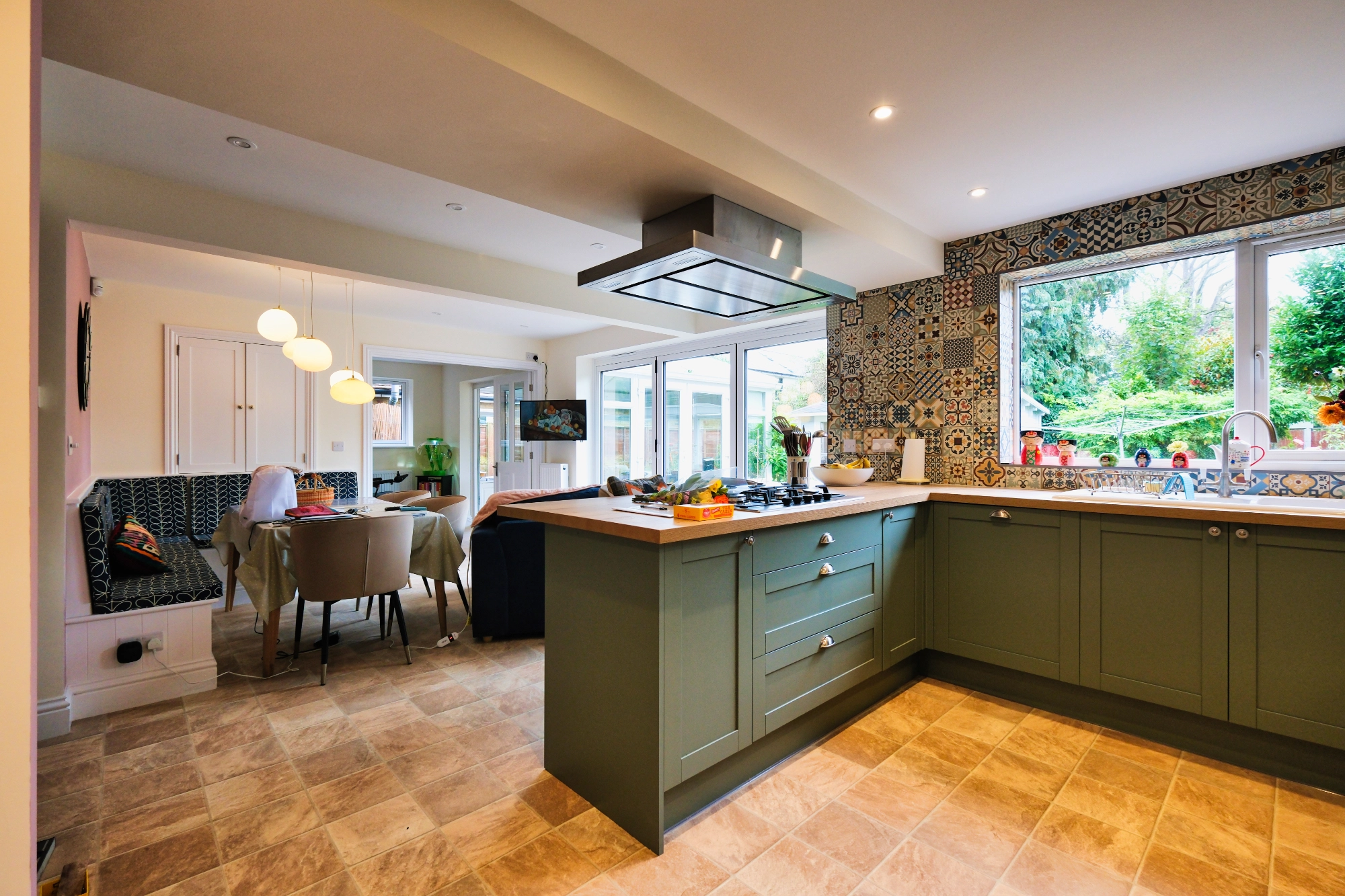
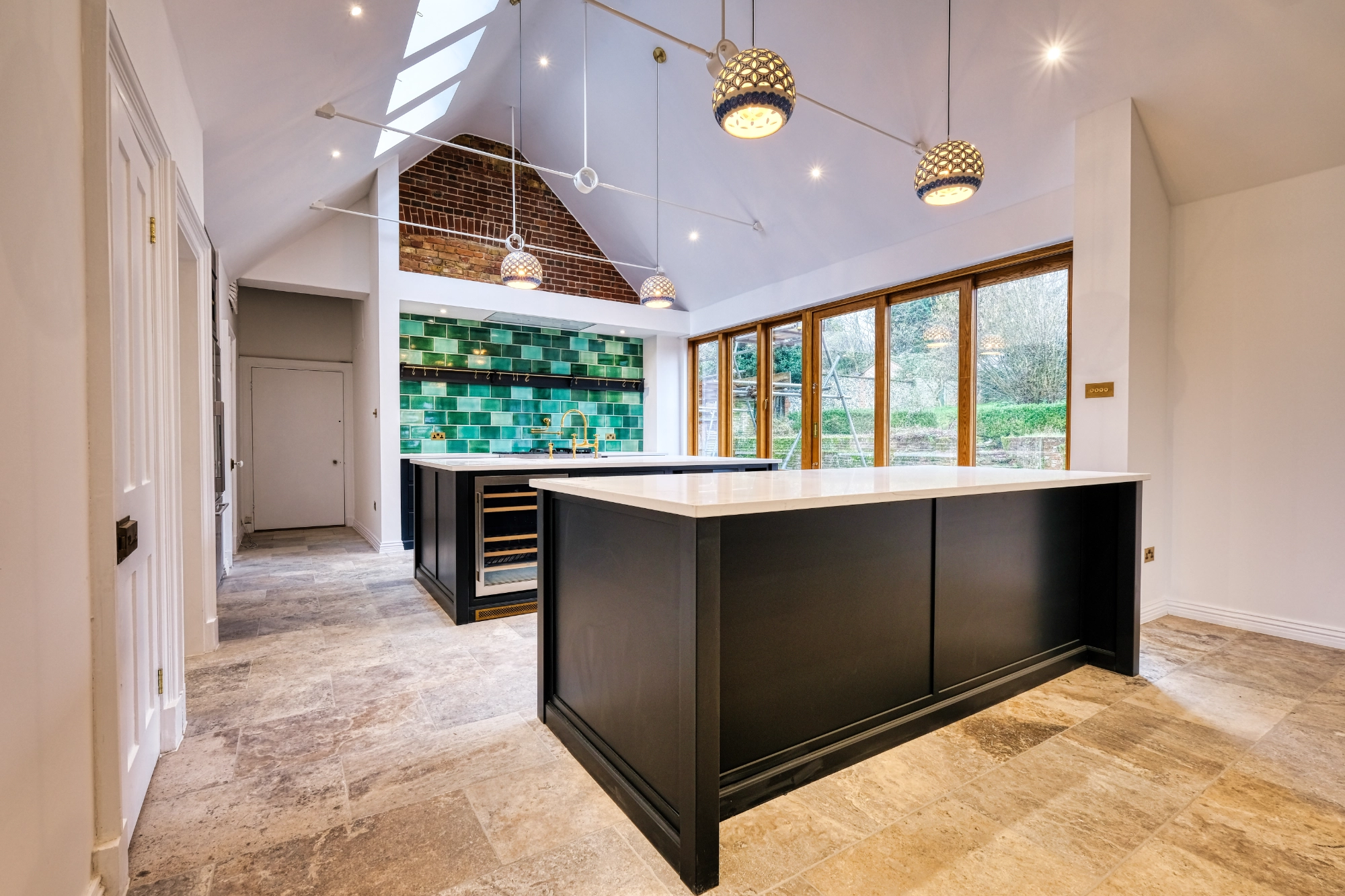
Recent Projects.
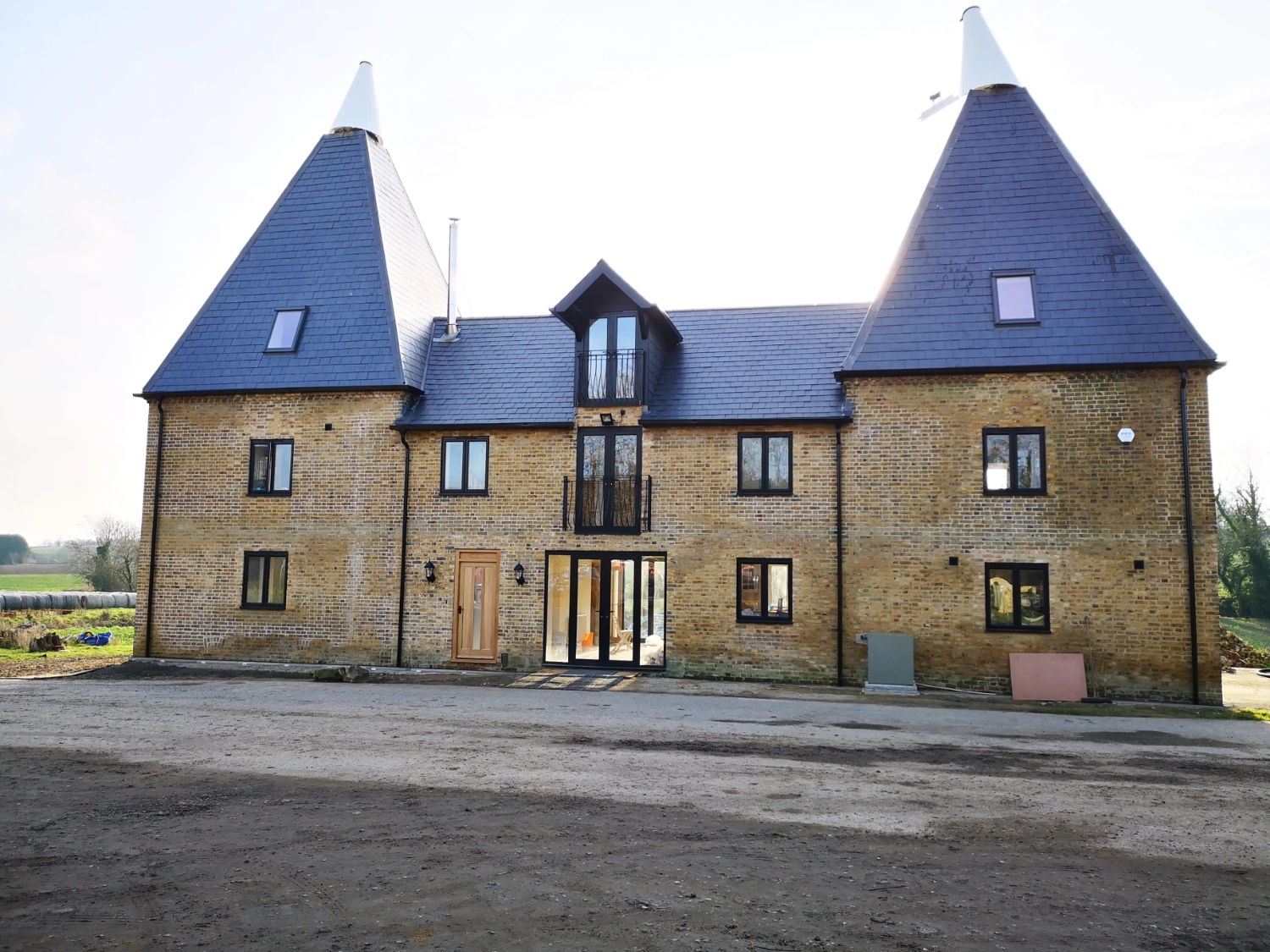
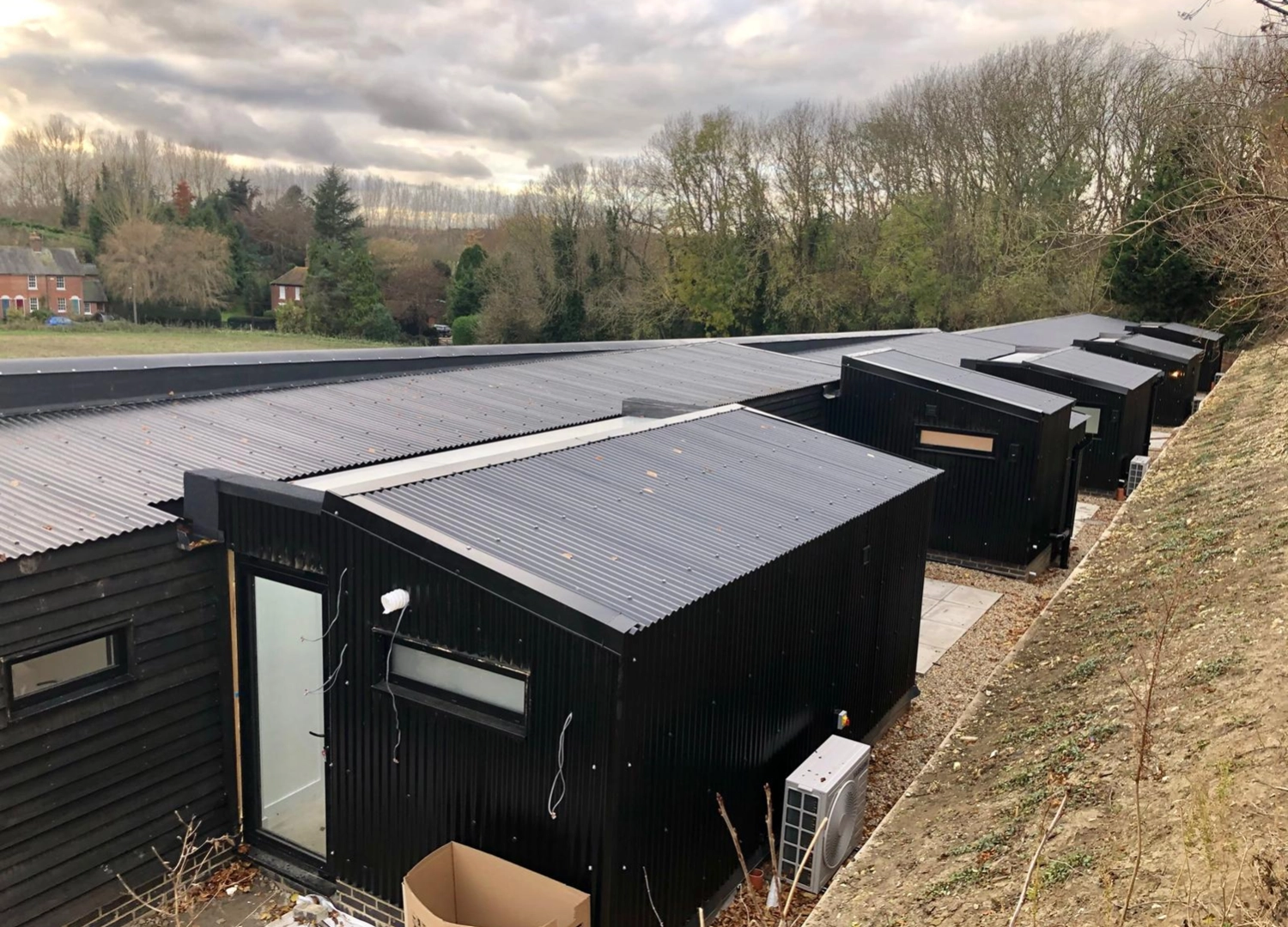
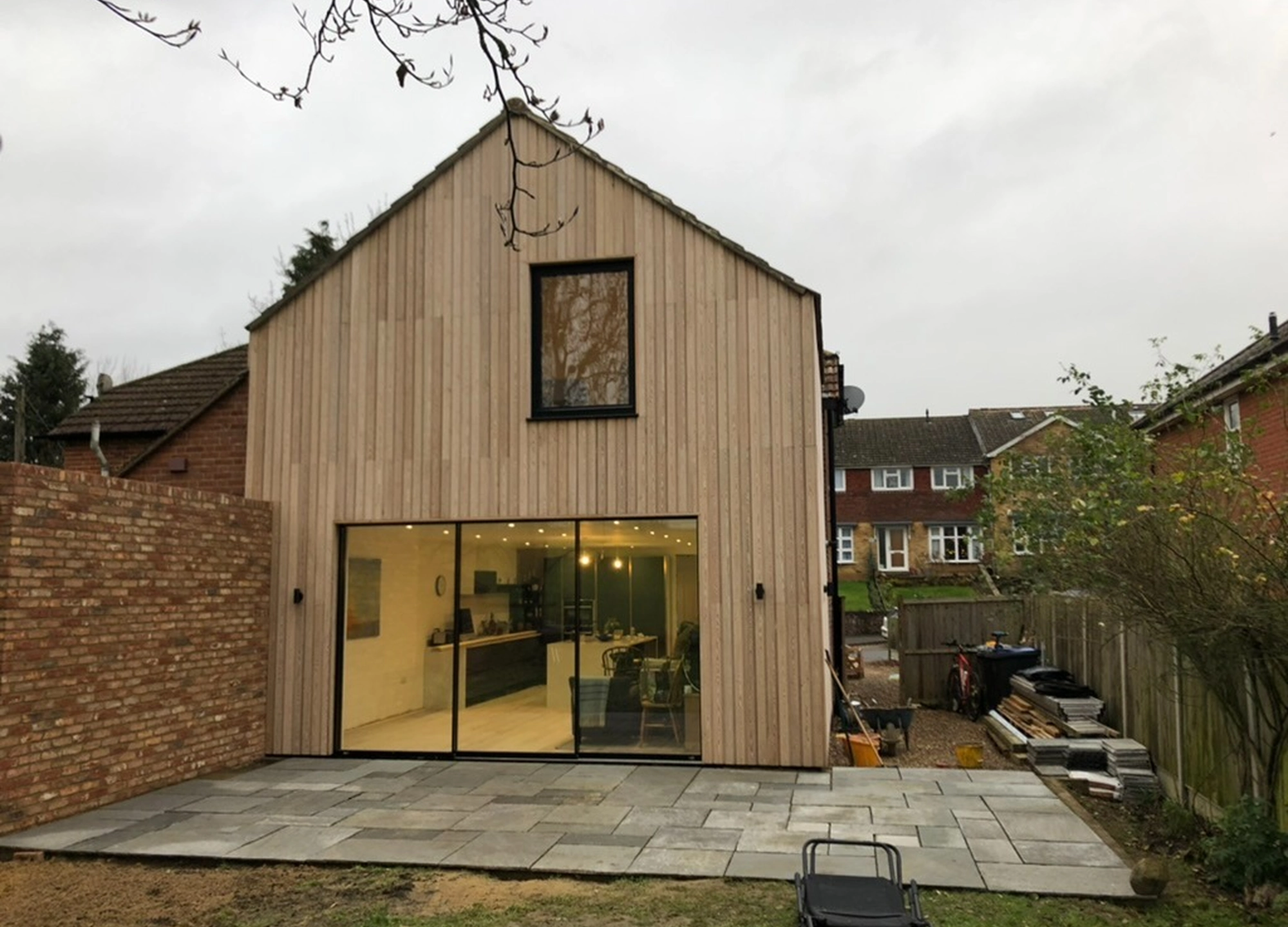
Morgan and Smith Clients
Clients Love Our Work.


Restore Your Historic Property with Confidence.
Choosing Morgan & Smith means selecting a team that respects history and celebrates innovation. Our dedication to quality and authenticity ensures that your historic building renovation is executed with precision and care. Contact us today to discuss your project and allow us to help you preserve a piece of history while enriching its legacy for future generations.